| Notes - The Case for Theism | |
|---|---|
1.  |
2.  |
3.  |
4.  |
| Book - Nihilism - Fr. Seraphim Rose | |
1.  |
2.  |
3.  |
4. 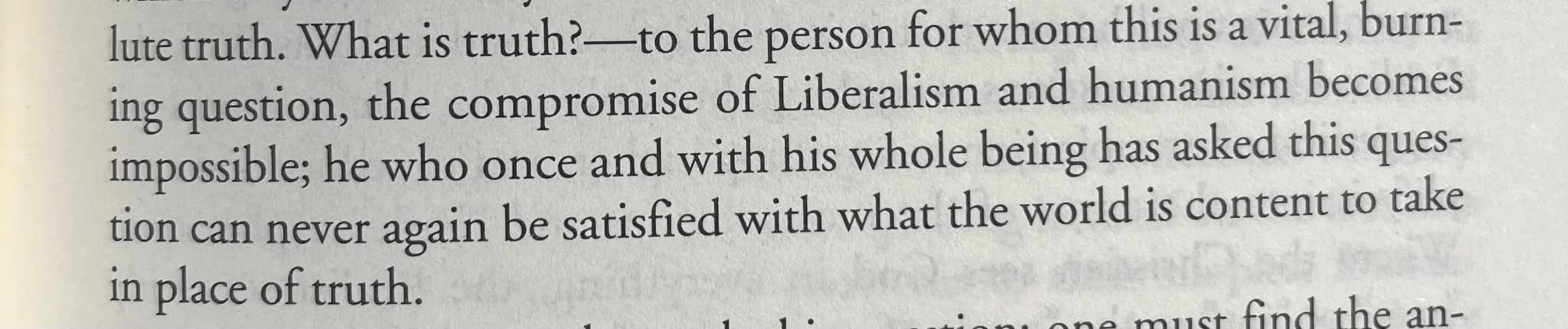 |
| Book - A History of Philosophy Vol. 1 - Frederick Copleston | |
1. Anaximander provides a proto-Darwinian evolutionary theory

|
2. Pythagoreans rejected geocentrism and held an early conception of a spherical earth

|
3. Pythagoreans had conceptions of a cosmic musical harmony that unites reality based on mathematics; parallels modern string theorists

|
4. Anaximander has an early theory of a multiverse

|
5. Empedocles's pluralism acts as a parallel to modern conceptions of reality consisting of various basic elements and fundamental forces that act upon them. He also posits a cyclical universe, which parallel the beliefs of some adherents to the Big Bang Theory in which the Big Bang of our universe is one of an infinite cycle of big bangs

|
6. Parmenides makes an early distinction between the reality perceived by the senses and a noumenal reality independent of human sense data

|
| Books - Nassim N. Taleb | |
| 1. The Black Swan Taleb illustrates the problem of induction using the example of a turkey scientist gathering data. Consider a turkey that is fed every day. Every single feeding will firm up the bird’s belief that it is the general rule of life to be fed every day by friendly members of the human race “looking out for its best interests,” as a politician would say. On the afternoon of the Wednesday before Thanksgiving, something unexpected will happen to the turkey. It will incur a revision of belief. 
|
2. The Bed of Procrustes

|
| Tweets | |
1.  |
2.  |
3. 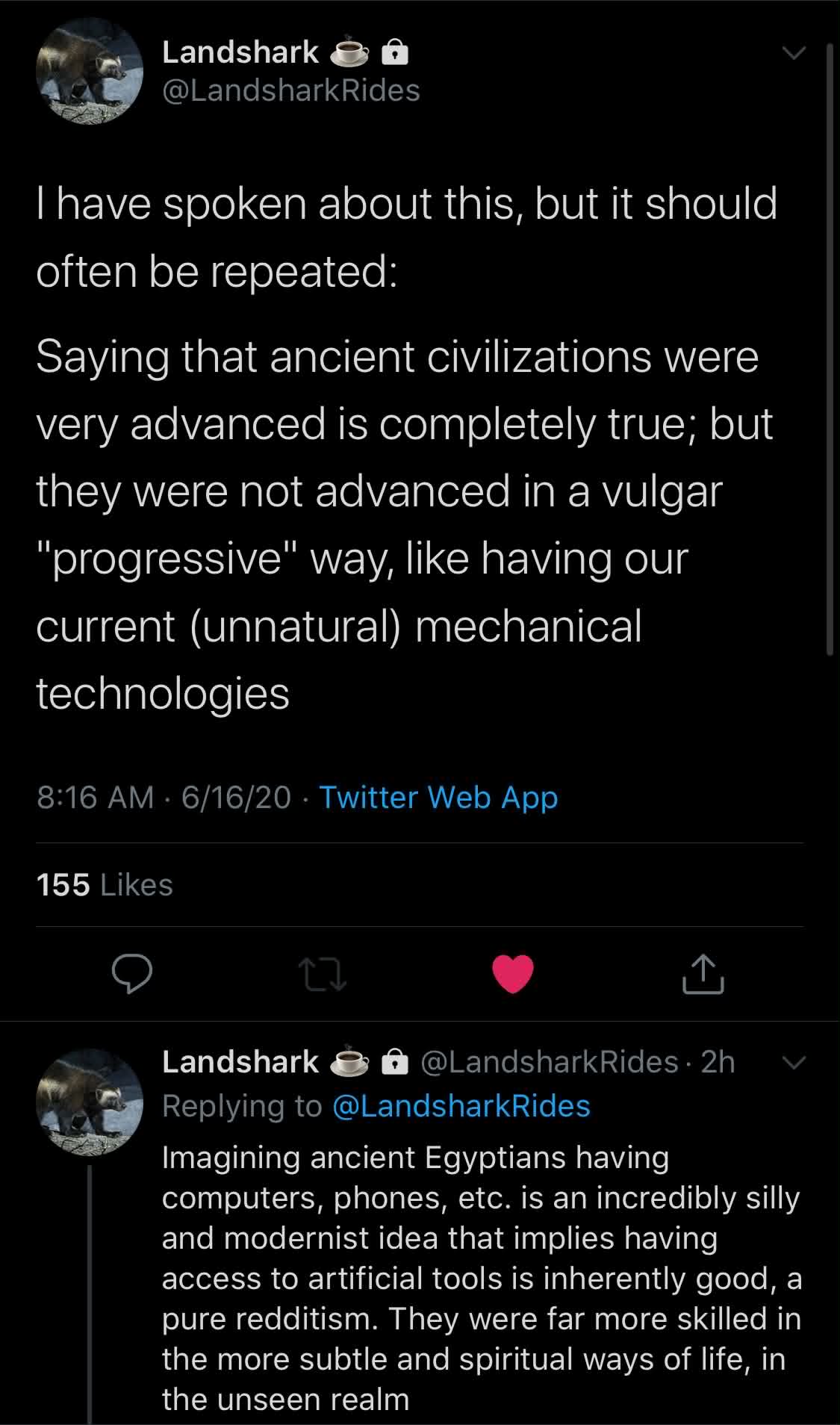 |
4.  |
5.  |
6.  |